


December 1, 2020
If you plan on taking a boat ride during the colder months of the year, you need to hope for the best, but prepare for the worst. We at Factory Direct Oil want to make sure you have the best boat ride possible, regardless of temperature or weather conditions. Below we have a guide that’s ready-made to ensure you have the building blocks you need for a successful winter boating excursion.
Winter boating offers a unique kind of quiet. The water is less crowded, the air is crisp, and the scenery can be strikingly beautiful. But cold-weather boating is not simply summer boating with heavier clothing. It introduces a completely different set of risks that demand preparation, awareness, and discipline.
Shorter daylight hours, freezing temperatures, icy surfaces, and mechanical stress all increase the margin for error. If you plan to take your boat out during the colder months, understanding how winter changes both the environment and your vessel is essential.
Dress for Exposure, Not Just Comfort

When you’re on open water, cold hits differently. Wind chill intensifies the drop in body temperature, and even minor exposure to water can become dangerous quickly. Hypothermia doesn’t require subzero conditions, it only requires prolonged cold and moisture.
Layering properly is critical. Insulated base layers, waterproof outerwear, thermal gloves, and non-slip boots should be considered baseline gear, not optional upgrades. A properly fitted life jacket remains mandatory, especially in cold water where survival time decreases dramatically.
Bringing spare dry clothing stored in waterproof containers is also a smart precaution. If someone gets wet, changing quickly can make a significant difference in maintaining body temperature.
Staying warm is not just about comfort. It protects reaction time, coordination, and judgment, all of which are essential for safe navigation.
Treat Emergency Preparation Seriously
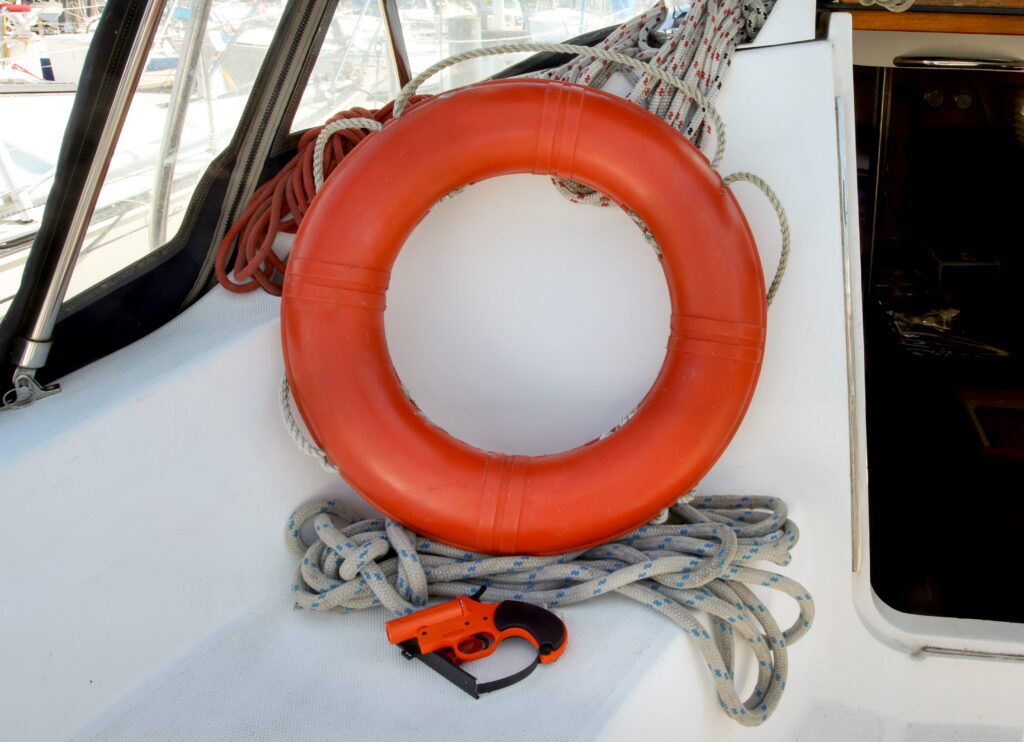
Winter boating reduces the number of other vessels on the water. That means if something goes wrong, assistance may not be immediate.
An emergency kit should be assembled intentionally, not thrown together at the last minute. First-aid supplies, potable water, non-perishable food, signaling devices, flotation equipment, and reliable communication tools should all be onboard and accessible. To be specific, items like signal flares, LED lights, and other visual safety materials are essential just in case night falls and you need higher visibility.
Accessibility matters as much as availability. In freezing conditions, fumbling through compartments with numb hands wastes valuable time. Before leaving the dock, confirm that every piece of safety equipment is functional and easy to reach. A reader’s note, get gloves that allow you to operate your smartphone.
Like the old saying goes, “stay ready, so you never have to get ready.”
Watch the Weather with Extra Caution

Winter weather systems can change rapidly. What begins as calm water can shift to strong winds, freezing rain, or low visibility within a short period.
Checking marine forecasts before departure is non-negotiable. Pay attention to wind speeds, temperature drops, wave advisories, and precipitation patterns. Even conditions that seem manageable at the dock may evolve once you’re offshore.
If forecasts show instability, postponing your trip is the smarter decision. Cold water leaves less room for recovery if conditions deteriorate. In another article, we discuss preparing for a fishing trip in detail, and this was an extremely important point to make as well.
Give Your Engine Extra Attention
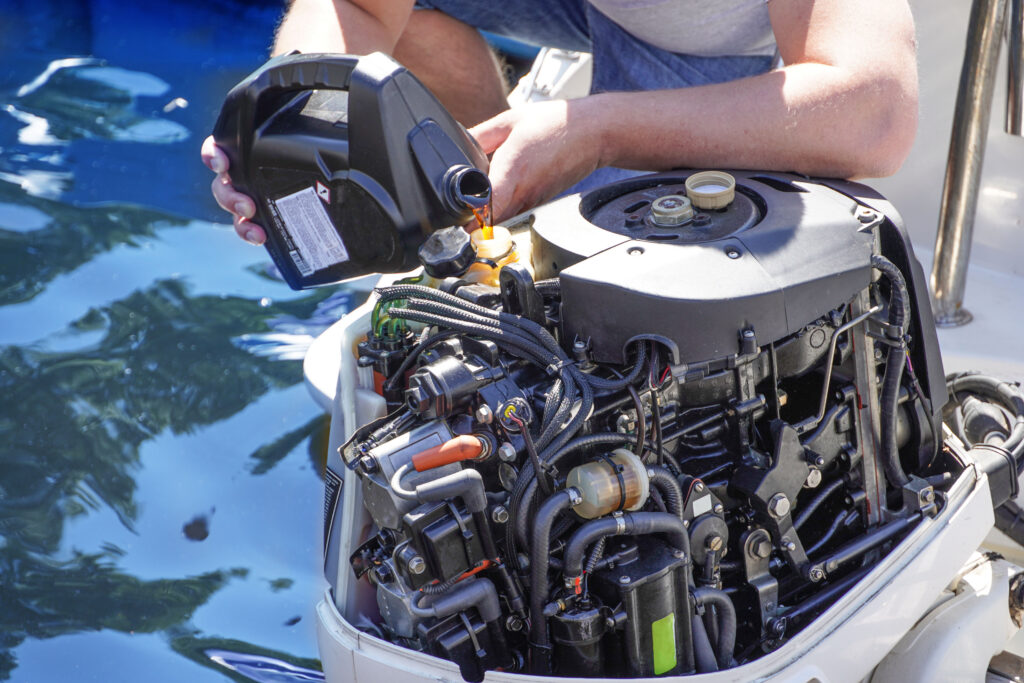
Cold weather places additional stress on marine engines, batteries, and fuel systems. Cold starts are harder on components, and longer idle periods can create buildup if lubrication is inadequate.
Before heading out, inspect oil levels and condition, check battery strength, and confirm that bilge pumps and navigation lights are functioning correctly. A weak battery becomes more noticeable when daylight fades earlier and electrical systems are relied upon longer.
Using high-quality synthetic marine oil can help maintain consistent viscosity and protection during cold starts and fluctuating temperatures. Stable lubrication is especially important when mechanical tolerances tighten in colder environments.
Explore AMSOIL’s synthetic marine lubricants designed to provide dependable protection and performance in demanding conditions.
Because winter boating traffic is lighter, filing a float plan becomes even more important. Share your intended route, destination, and estimated return time with someone on land.
If something unexpected occurs, having that information available significantly improves response time. A simple conversation before departure can prevent hours of uncertainty later. As discussed in that aforementioned article, there are apps like Waave Boating that can make life a lot easier. We all use cellphones nowadays, why not use them?
Move Carefully on Deck
Cold surfaces become slippery quickly. Frost, condensation, and thin ice create fall hazards that are amplified by heavy clothing and reduced mobility.
Move deliberately, hold railings when navigating the deck, and keep walking areas clear of debris or ice. Encourage passengers to remain seated when the boat is in motion. Falling overboard in winter conditions presents a far greater danger than in warmer seasons.
Approach Ice Conservatively
Ice conditions vary widely, and misjudging thickness can damage propellers, lower units, or hulls. Thin surface ice may be manageable in some cases, but moderate to thick ice can quickly lead to costly mechanical damage or worse — immobilization.
If ice appears substantial, turning around is the safer choice. No scenic route is worth becoming stranded in freezing conditions.
Know When Storage Is the Better Option
If boating activity will be minimal during the colder months, winterizing your vessel may be the more responsible route. Stabilizing fuel, changing engine oil before storage, maintaining batteries, and storing the boat in a protected environment preserve long-term performance.
Stay on top of your boat’s condition, so that way you’ll never be caught in a situation without the proper precautions.
Winter Boating Demands Respect
Boating during the winter can be peaceful and rewarding, but only when approached with preparation and restraint. Cold water and reduced daylight narrow your margin for error.
By dressing appropriately, monitoring weather closely, maintaining your engine properly, and preparing for emergencies, you dramatically reduce the risks that winter introduces.
Explore AMSOIL’s line of synthetic marine oils and lubricants engineered to support durability, protection, and consistent performance in challenging environments.