


February 3, 2026
Contents
- How to Properly Maintain Your Engine for Long-Term Performance
- Stay Consistent with Synthetic Oil Changes
- Choose High-Quality Synthetic Motor Oil
- Maintain the Cooling System
- Replace Air and Oil Filters on Schedule
- Drive Smoothly to Reduce Engine Stress
- Avoid Overloading Your Vehicle
- Address Leaks Immediately
- Monitor Warning Signs and Performance Changes
- Keep Fuel Levels Above Empty
- Inspect the Serpentine Belt and Accessory Components
- Schedule Professional Inspections
- Engine Longevity Is Built on Consistency
How to Properly Maintain Your Engine for Long-Term Performance
Your engine is the single most important component in your vehicle. It converts fuel into motion, powers essential systems, and keeps you moving safely and reliably. When it’s maintained properly, it can last for hundreds of thousands of miles. When it’s neglected, failure can happen faster than most drivers expect.
Engine breakdowns are rarely sudden. In most cases, they’re the result of small maintenance oversights that compound over time; degraded oil, overheating, contamination, excessive stress, or ignored warning signs.
If you want your vehicle to run smoothly and powerfully for years, proper engine maintenance must be intentional and consistent. Here at Factory Direct Oil, we believe in making sure that your vehicle remains a strong investment. We’ve got some tips for you to help you maintain your engine for as long as possible.
Stay Consistent with Synthetic Oil Changes
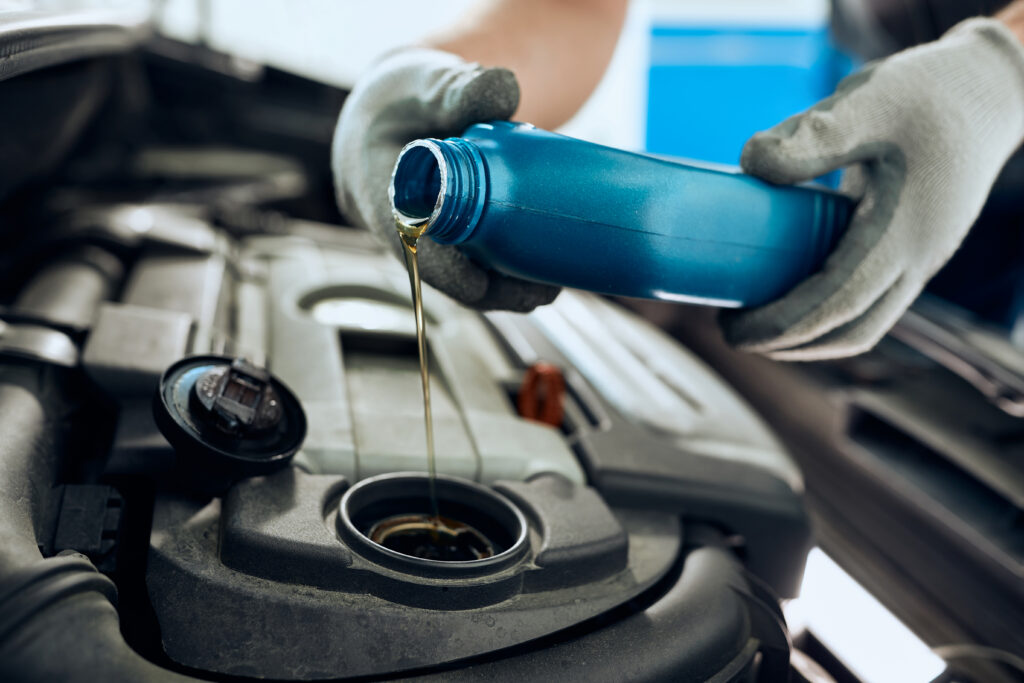
Motor oil is your engine’s first line of defense.
It lubricates moving components, reduces friction, manages internal temperatures, neutralizes harmful acids, and helps suspend contaminants until they can be filtered out. Without clean oil, metal parts grind against each other, heat rises rapidly, and wear accelerates.
Even the best oil eventually breaks down. Over time it becomes contaminated with combustion byproducts, moisture, and microscopic particles.
Regular oil changes ensure:
- Clean lubrication
- Stable viscosity
- Proper heat control
- Reduced internal wear
Delaying oil changes is one of the fastest ways to shorten engine life.
Choose High-Quality Synthetic Motor Oil
While routine oil changes are critical, oil quality matters just as much.
Synthetic motor oils are engineered for superior molecular stability. Compared to conventional oils, they:
- Maintain viscosity under extreme heat
- Flow better during cold starts
- Resist oxidation and sludge formation
- Provide stronger film strength under heavy loads
Engines today operate at higher temperatures and tighter tolerances than ever before. Using premium synthetic oil helps meet those demands while reducing long-term wear.
Explore AMSOIL’s line of synthetic motor oils designed for superior protection, thermal stability, and extended performance.
Maintain the Cooling System
Friction generates heat — and engines generate a lot of it.
Your cooling system regulates operating temperature through coolant circulation, the radiator, thermostat, and water pump. If any part of this system fails, engine temperatures can spike quickly.
Overheating can cause:
- Warped cylinder heads
- Blown head gaskets
- Cracked engine blocks
- Catastrophic failure
To prevent this:
- Check coolant levels regularly
- Inspect hoses for cracks or leaks
- Ensure the radiator is unobstructed
- Replace coolant according to manufacturer guidelines
An efficient cooling system is essential for long-term engine durability.
Replace Air and Oil Filters on Schedule

Your engine relies on clean air and clean oil to function properly.
The oil filter traps contaminants suspended in motor oil. Over time, it becomes saturated and less effective.
The air filter prevents dust, debris, and contaminants from entering the combustion chamber. A clogged air filter restricts airflow, reduces efficiency, and increases fuel consumption.
Replacing filters regularly helps:
- Maintain proper airflow
- Protect internal engine components
- Improve fuel efficiency
- Reduce unnecessary strain
Drive Smoothly to Reduce Engine Stress
Driving habits directly affect engine longevity.
Aggressive acceleration, rapid braking, excessive idling, and constant high-RPM operation increase internal stress and heat generation. Over time, this accelerates wear on bearings, pistons, and valvetrain components.
Smooth, controlled driving:
- Reduces friction stress
- Improves fuel efficiency
- Minimizes heat buildup
- Extends engine lifespan
Engine longevity is influenced just as much by behavior as by maintenance.
Avoid Overloading Your Vehicle

Excess weight forces your engine to work harder than necessary. This increases combustion demand, fuel usage, and internal strain. Think of it like carrying a heavy backpack for miles—the added load slows movement and requires more energy with every step. Your vehicle responds the same way when burdened with unnecessary weight.
If your vehicle is regularly overloaded:
- Engine temperatures rise
- Transmission strain increases
- Fuel economy drops
- Long-term wear accelerates
Keep unnecessary cargo out of your vehicle whenever possible.
Address Leaks Immediately
Oil leaks, coolant leaks, and fuel leaks are never minor issues.
Low oil levels reduce lubrication protection. Coolant leaks increase overheating risk. Fuel leaks create performance and safety hazards.
If you notice:
- Fluid spots under the vehicle
- Burning smells
- Sudden drops in fluid levels
Investigate promptly. Early repairs are far less costly than engine replacement.
Monitor Warning Signs and Performance Changes
Modern vehicles are equipped with sensors designed to alert you before damage becomes severe.
Never ignore:
- Check engine lights
- Knocking or ticking sounds
- Rough idling
- Decreased acceleration
- Excessive exhaust smoke
Engines often provide subtle warning signs long before failure occurs. Acting early protects both your engine and your wallet.
Keep Fuel Levels Above Empty
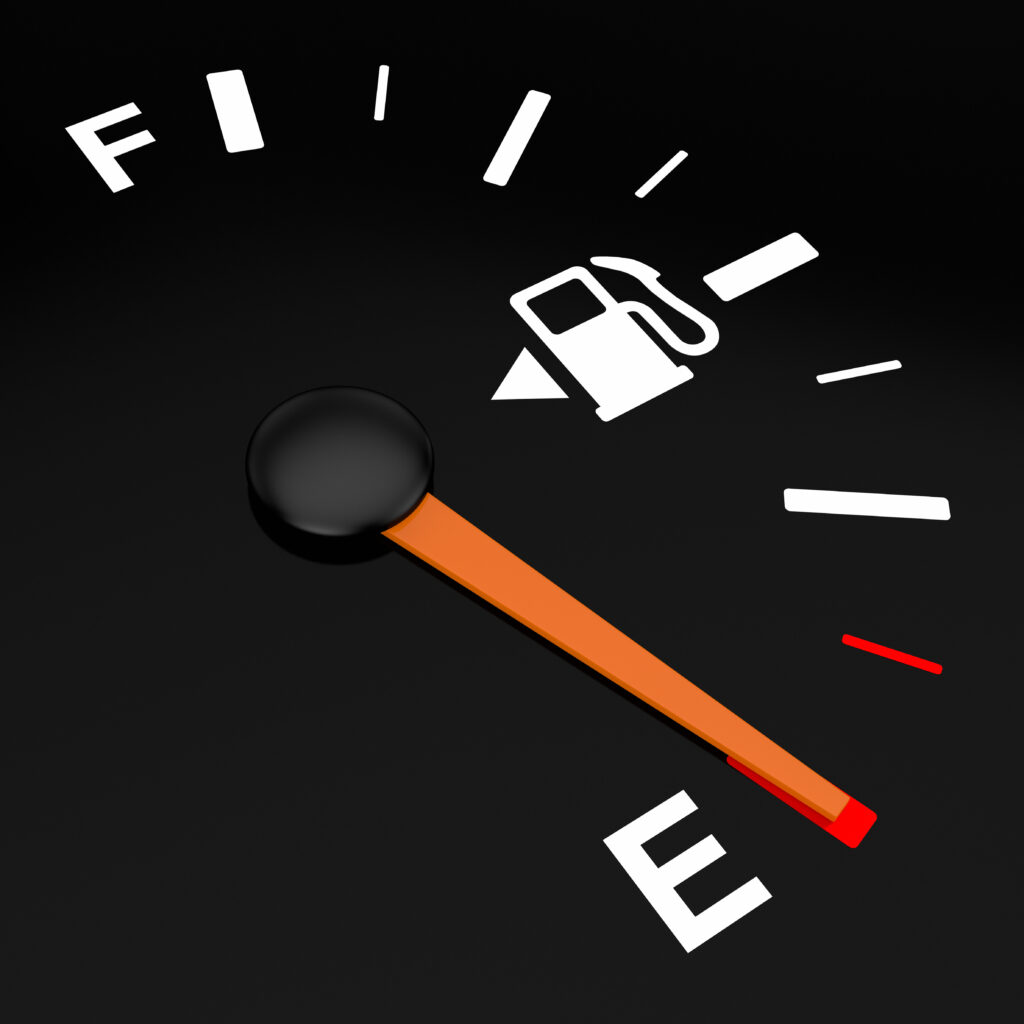
Driving consistently on very low fuel levels can pull sediment and debris from the bottom of the fuel tank into the fuel system. Over time, this can clog injectors and reduce combustion efficiency.
Maintaining at least a quarter tank:
- Protects the fuel pump
- Reduces contamination risk
- Supports consistent performance
Inspect the Serpentine Belt and Accessory Components
The serpentine belt powers essential components such as the alternator, power steering pump, and water pump. If it fails, multiple systems can shut down simultaneously.
Check for:
- Cracks
- Fraying
- Glazing
- Unusual noise
Replacing worn belts before failure prevents unexpected roadside breakdowns.
Schedule Professional Inspections
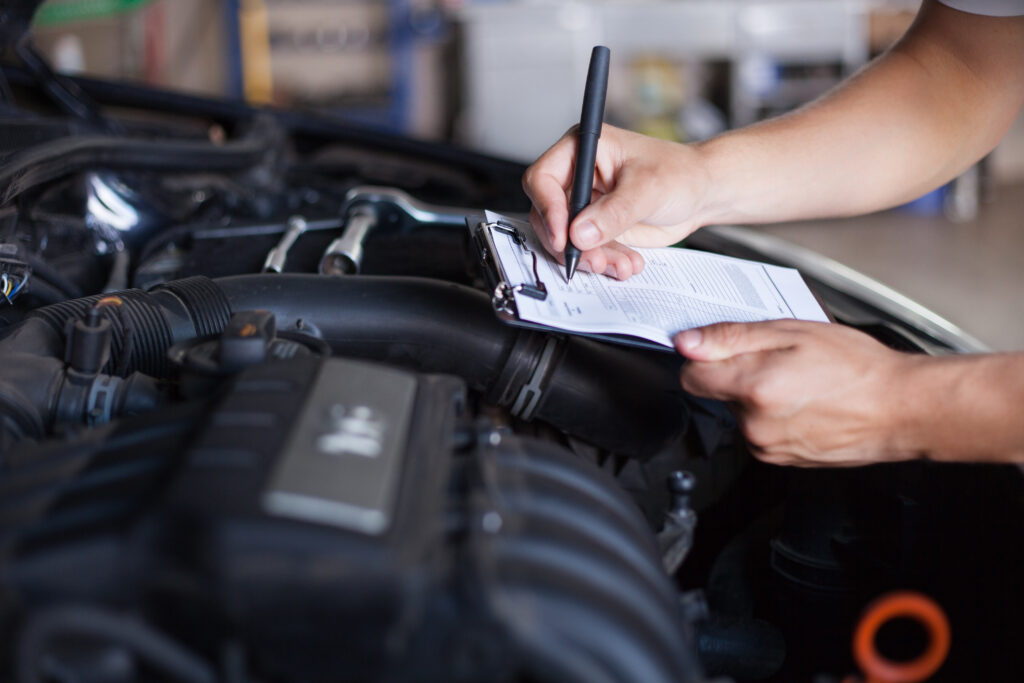
Even diligent owners benefit from periodic professional evaluations. A trained technician can identify issues invisible to the untrained eye, including early signs of wear, seal degradation, or sensor irregularities.
Routine inspections add another layer of preventative protection.
Engine Longevity Is Built on Consistency
Proper engine care isn’t complicated, but it is cumulative. Small maintenance actions, performed consistently, dramatically extend engine life.
Clean synthetic oil, functional cooling systems, fresh filters, smooth driving habits, and prompt repairs all work together to protect your engine from friction, heat, and contamination.
Explore AMSOIL’s line of synthetic lubricants designed to deliver superior engine protection, long-term durability, and reliable performance mile after mile.