


August 9, 2025
Contents
- Why Vehicle Lubrication Goes Beyond Oil Changes
- Engine Oil Is Essential, but It’s Not the Only Lubricant That Matters
- Stay Consistent with Oil Checks and Oil Changes
- Why Synthetic Oil Performs Better in Hot Conditions
- What About Components That Don’t Use Motor Oil?
- Why Grease Is Critical for Vehicle Protection
- Common Grease Types Used in Vehicles
- Understanding NLGI Grease Consistency Ratings
- Protect Your Vehicle with the Right Lubricants
Why Vehicle Lubrication Goes Beyond Oil Changes
Lubrication is one of the most critical aspects of vehicle maintenance—but it involves far more than routine oil changes. While engine oil plays a central role in protecting internal components, several other areas of your vehicle also rely on proper lubrication to prevent friction, corrosion, and premature wear.
Understanding how lubrication works across your vehicle helps ensure long-term performance, reliability, and protection—especially during warmer months when heat accelerates wear and oxidation.
Engine Oil Is Essential, but It’s Not the Only Lubricant That Matters
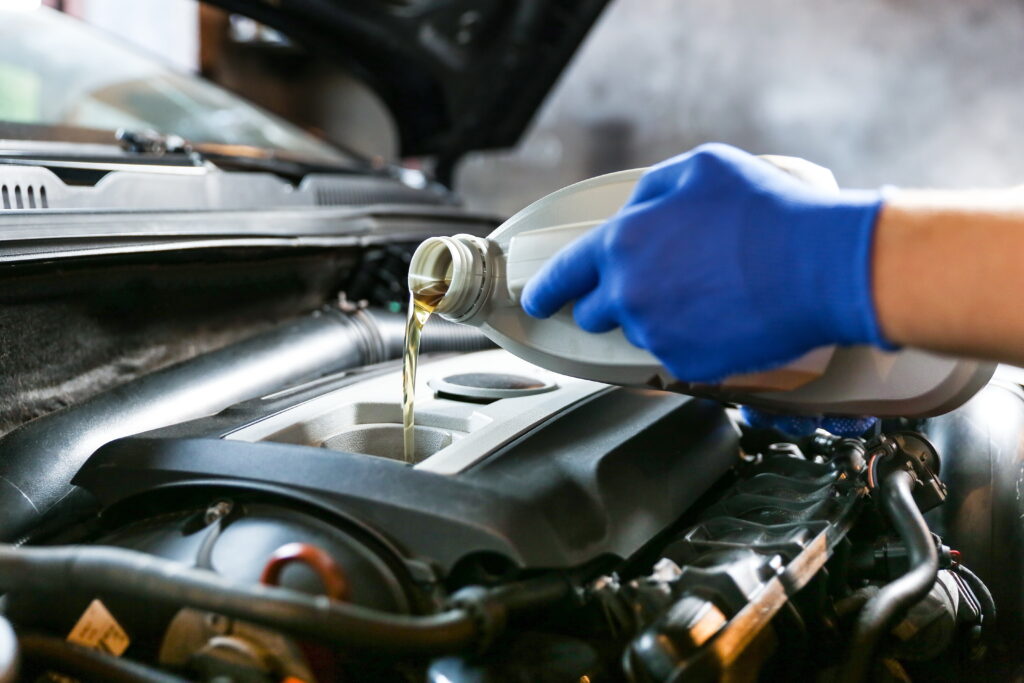
Heat intensifies corrosion, oxidation, and material breakdown throughout your vehicle. During warmer seasons, components are exposed to higher operating temperatures that place additional stress on both fluids and mechanical parts.
Engine oil is the most familiar form of lubrication, but it’s only one part of a broader system designed to reduce friction and protect critical components from damage.
Stay Consistent with Oil Checks and Oil Changes
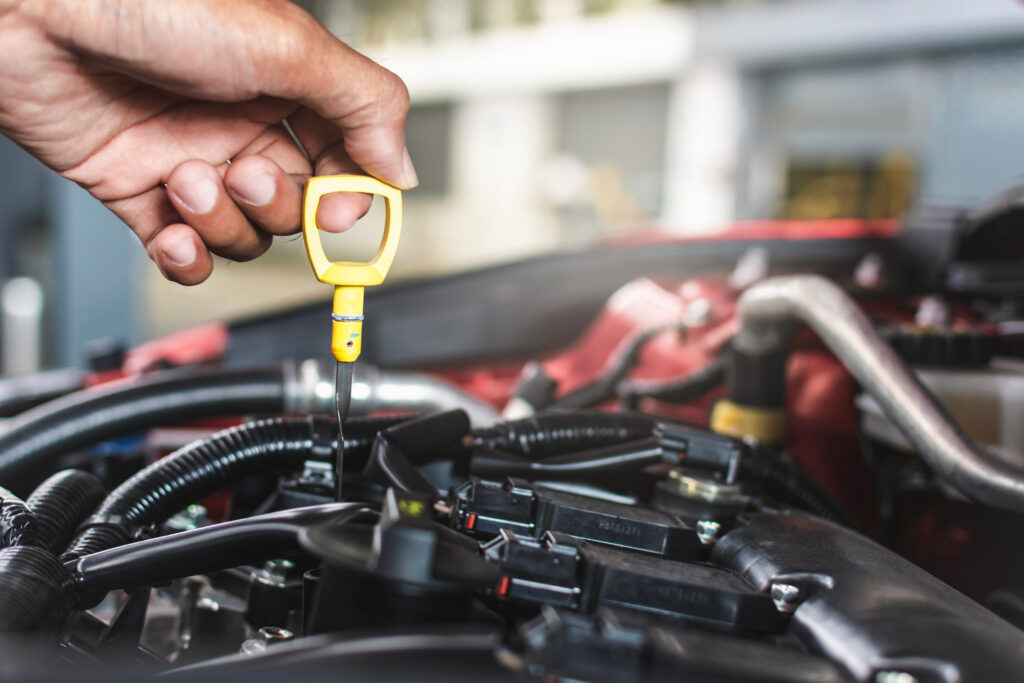
High temperatures increase oil evaporation and consumption, making regular oil checks even more important. When oil levels drop too low, engines are forced to operate with insufficient lubrication—leading to higher friction, increased heat, and accelerated wear.
Checking oil levels regularly helps:
- Maintain consistent engine protection
- Detect leaks or abnormal oil consumption
- Prevent damage caused by low or degraded oil
Routine oil changes are equally important, ensuring your engine continues operating with clean, effective lubrication.
Why Synthetic Oil Performs Better in Hot Conditions
Not all motor oils handle heat equally. Many conventional oils have higher volatility, meaning they break down or burn off more quickly when temperatures rise.
Synthetic motor oils are engineered to resist thermal breakdown and maintain viscosity in extreme conditions. AMSOIL Signature Series Synthetic Motor Oil delivers long-lasting protection, continuous friction control, and extended drain intervals—helping you save time while protecting your engine during demanding driving conditions.
Explore AMSOIL’s line of synthetic lubricants designed for superior protection and long-term performance.
What About Components That Don’t Use Motor Oil?
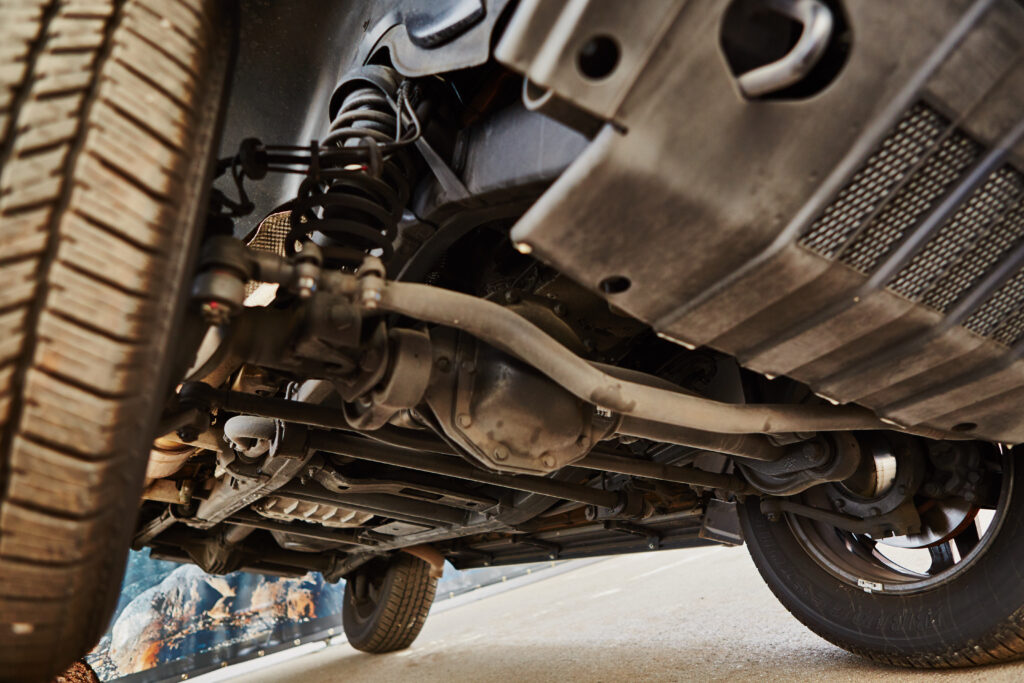
Several vehicle components require lubrication but can’t rely on liquid motor oil. Parts such as:
- Chassis components
- Suspension joints
- Steering linkages
- External fittings
require a thicker lubricant that stays in place. Motor oil is too thin for these applications, which is where grease becomes essential.
Why Grease Is Critical for Vehicle Protection
Grease is a semi-solid lubricant designed to provide long-lasting protection where oil would quickly run off. It helps shield components from:
- Friction and wear
- Moisture intrusion
- Corrosion and rust
- Dirt and contaminants
Different grease formulations are engineered for specific applications, loads, and operating environments.
Common Grease Types Used in Vehicles
One widely used option is Synthetic Polymeric Truck, Chassis, and Equipment Grease, which is formulated for heavy-duty use in challenging conditions. It offers excellent resistance to rust, water washout, and extreme pressure—making it ideal for vehicles and equipment exposed to varying weather and workloads.
This grease is available in multiple consistency grades to suit different lubrication points.
Understanding NLGI Grease Consistency Ratings
The NLGI (National Lubricating Grease Institute) rating identifies grease thickness and consistency:
- 000 – Extremely fluid
- 1–2 – Soft to medium (common automotive applications)
- 3–4 – Firm
- 6 – Very hard
Selecting the correct NLGI grade ensures proper coverage and protection without excessive stiffness or leakage.
Protect Your Vehicle with the Right Lubricants
Effective lubrication goes far beyond oil changes. Using the right oils and greases helps reduce friction, prevent corrosion, and extend the life of critical vehicle systems.
Explore AMSOIL’s line of synthetic oils and greases designed for superior protection, durability, and performance in demanding conditions.