


January 6, 2026
The Relationship Between Friction, Fuel Efficiency, and Synthetic Oil
Every vehicle depends on a properly functioning engine to operate efficiently and reliably. Protecting that engine is key to preserving performance, longevity, and overall value. One of the most common threats to engine health is friction—a force that not only causes wear and tear but also plays a major role in reducing fuel efficiency.
Understanding how friction affects fuel consumption helps explain why switching to synthetic motor oil can improve both engine protection and gasoline mileage.
How Friction Impacts Fuel Efficiency

An engine’s primary job is to convert fuel into motion. To do this, dozens of internal components must move continuously and precisely. As these parts slide, rotate, and spin against one another, friction is naturally created.
Without effective lubrication:
- Friction increases resistance between moving parts
- Resistance forces the engine to work harder
- Increased workload requires more fuel
In short, the more friction present inside an engine, the more energy—and gasoline—it takes to maintain performance. This extra strain reduces efficiency and accelerates component wear.
Why Synthetic Oil Improves Fuel Economy
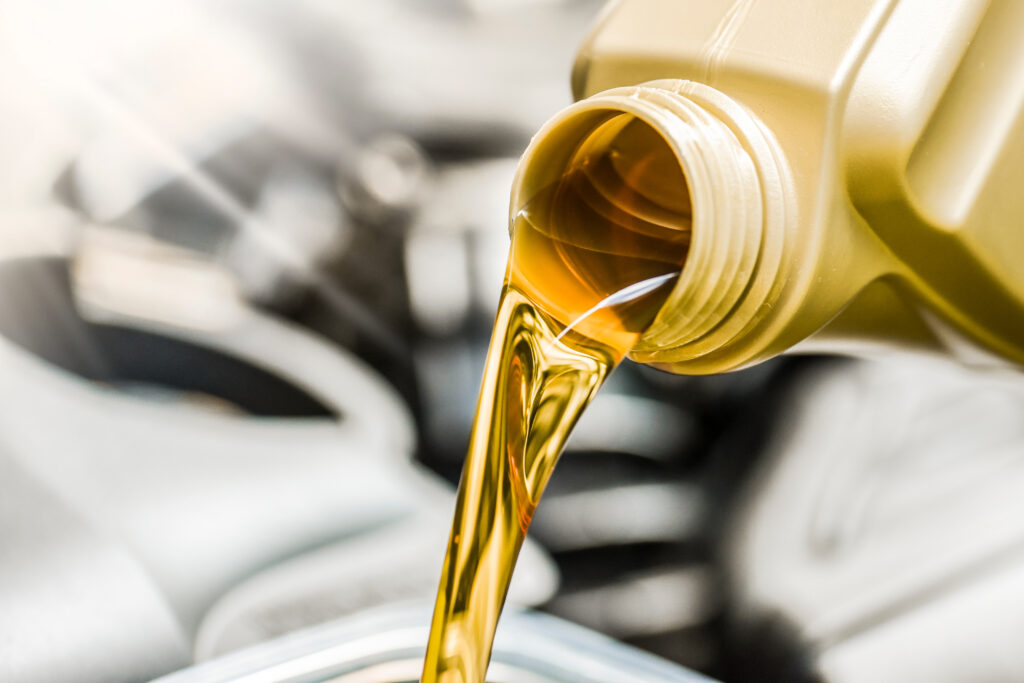
Synthetic motor oil is engineered to reduce friction more effectively than conventional oil. Its uniform molecular structure creates a stronger, more consistent lubricating film between engine components, allowing parts to move freely with less resistance.
Compared to conventional oils, synthetic oils:
- Maintain viscosity across a wider temperature range
- Reduce friction during cold starts and high-heat operation
- Resist breakdown that leads to sludge and deposits
By minimizing resistance inside the engine, synthetic oil helps improve mechanical efficiency—allowing the engine to do its job while using less fuel.
How Synthetic Oil Helps You Save on Gas
Fuel efficiency isn’t just about how you drive—it’s also about how efficiently your engine uses energy. Most engines already operate with limited efficiency, and friction only worsens the problem.
Synthetic oil’s ability to perform under extreme temperatures and demanding conditions helps keep engines operating closer to optimal efficiency. Reduced friction means less wasted energy, smoother operation, and better fuel economy over time.
Where Does Fuel Actually Go?

Many drivers assume most of the fuel they use goes directly toward moving the vehicle forward—but that’s not the case. On average:
- Only about 20% of fuel powers the wheels
- Roughly 70% is lost to heat, cooling systems, and exhaust
- The remaining 10% is lost to drivetrain and friction-related inefficiencies
Because friction accounts for a significant portion of energy loss, improving lubrication quality can have a measurable impact on fuel efficiency.
Maintain Your Lubrication System to Reduce Friction
Motor oil alone can’t reduce friction if the lubrication system isn’t functioning properly. To maximize efficiency:
- Ensure oil levels remain within the recommended range
- Replace oil filters at proper intervals
- Watch for leaks that may deprive the engine of lubrication
- Make sure the oil pump and related components are operating correctly
A well-maintained lubrication system allows synthetic oil to perform at its best.
Improve Efficiency with Synthetic Motor Oil
Choosing the right motor oil is one of the simplest ways to improve fuel efficiency while protecting your engine from unnecessary wear. Synthetic oil reduces friction, maintains performance in extreme conditions, and supports long-term efficiency.
Explore AMSOIL’s line of synthetic lubricants designed for superior protection, improved efficiency, and reliable performance. Become a Preferred Customer for perks, and exclusive offers.