


March 8, 2025
Contents
Why Oil Checks and Synthetic Oil Changes Are Essential for Engine Safety
Small maintenance oversights can quickly turn into major engine problems—especially when it comes to motor oil. Failing to check oil levels or delaying an oil change can lead to increased friction, overheating, and costly engine damage. That’s why regular oil checks and timely synthetic oil changes are both critical to keeping your engine protected and performing at its best.
Understanding the role each plays in engine maintenance can help you avoid breakdowns and extend the life of your vehicle. Factory Direct Oil is on the case to ensure that you take the best possible care of your engine.
How Synthetic Oil Protects Your Engine
Your engine is the heart of your vehicle, and it relies on motor oil to function properly. High-quality motor oil does far more than lubricate moving parts. It also:
- Reduces friction and wear
- Helps control engine heat
- Neutralizes harmful acids
- Prevents sludge and deposit buildup
Full synthetic oil excels in all of these areas. Its engineered molecular structure provides more consistent lubrication, improved heat resistance, and longer-lasting protection than conventional oil. That’s why synthetic oil is widely recommended for modern engines and demanding driving conditions.
Why Regular Oil Checks Matter
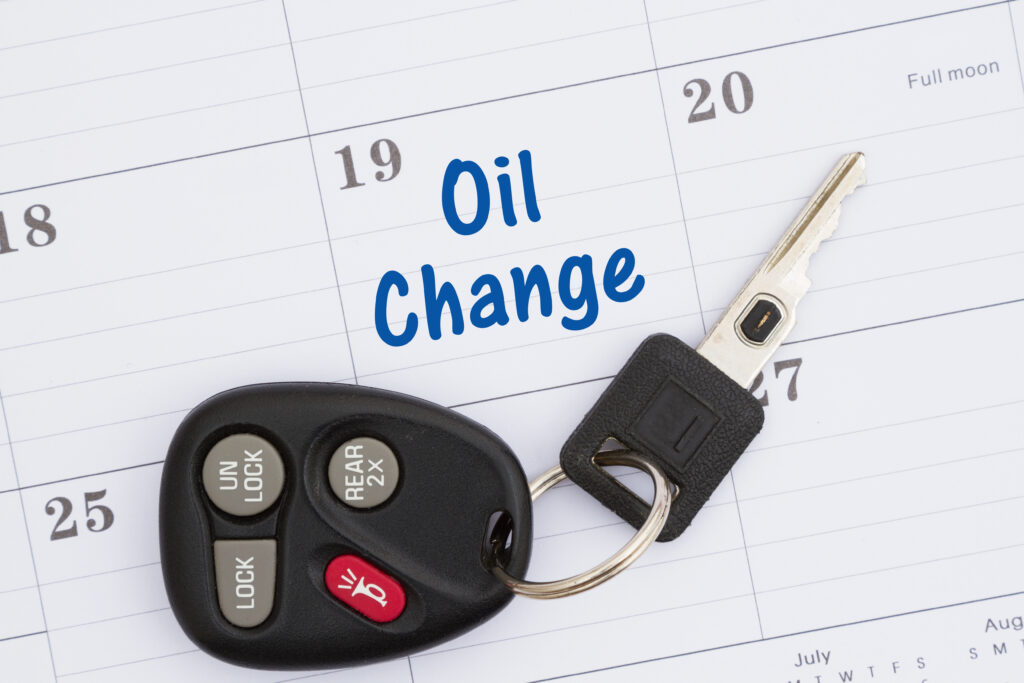
Oil checks help you monitor two critical factors: oil level and oil condition. An engine running with low oil is exposed to excessive friction and heat, which accelerates wear and increases the risk of failure.
Regular oil checks allow you to:
- Catch low oil levels before damage occurs
- Identify contamination or degradation early
- Detect potential leaks or engine issues
Keeping oil levels within the recommended range ensures the engine always has adequate protection.
The Importance of Timely Oil Changes
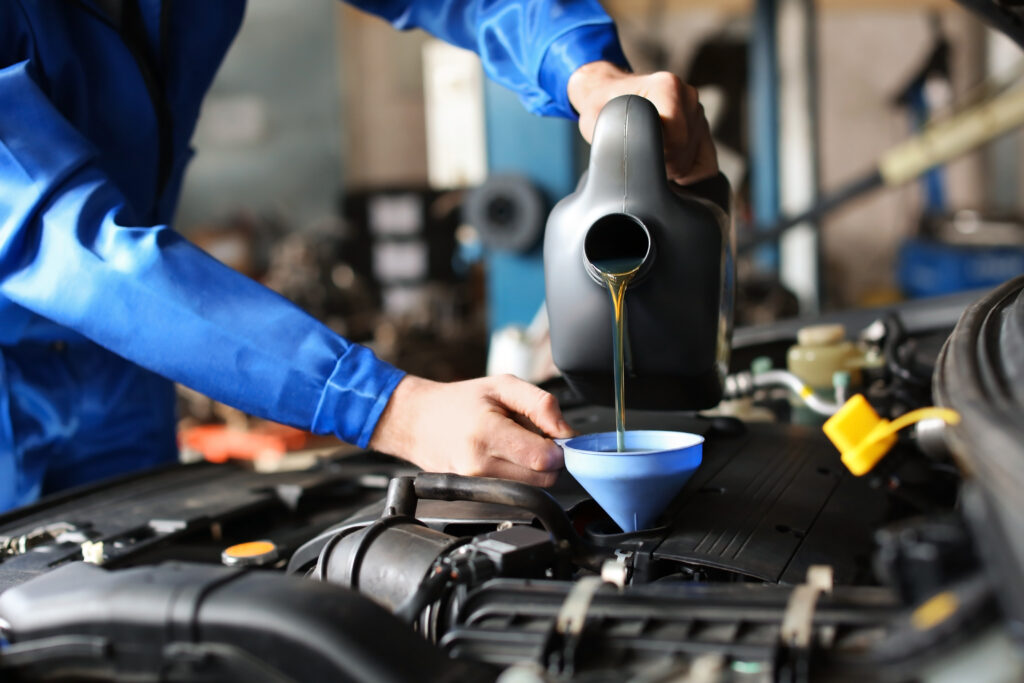
Even the best motor oil eventually breaks down. Over time, oil absorbs contaminants like dirt, soot, and combustion byproducts. As this happens, its ability to lubricate and protect the engine decreases.
While synthetic oil lasts longer than conventional oil, it still needs to be replaced along with the oil filter to restore optimal performance. Synthetic oil changes ensure your engine continues operating with clean, effective lubrication—reducing wear and supporting consistent performance.
How to Check Oil Level and Condition
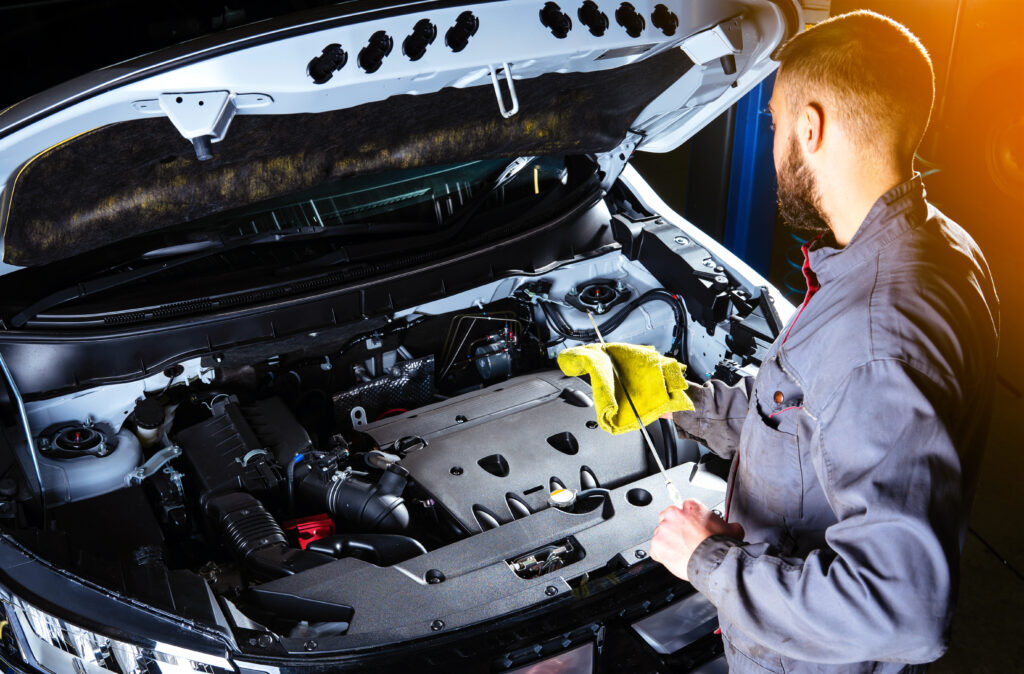
When checking your oil, you’re looking at both quantity and quality:
- Remove the dipstick and wipe it clean
- Reinsert it fully, then pull it out again
- Check where the oil mark falls between the minimum and maximum indicators
If the oil level is low, add oil promptly to prevent damage.
To assess oil condition:
- Rub a small amount between your fingers—it should feel smooth and slippery
- Check the color—oil that is extremely dark, gritty, or opaque may need to be changed
Oil that is still slightly transparent and smooth may have some life left, but continued monitoring is important.
Protect Your Engine with Proper Oil Maintenance
Consistent oil checks and routine synthetic oil changes work together to protect your engine from friction, heat, and contamination. This simple maintenance habit helps improve reliability, prevent breakdowns, and extend engine life.
Explore AMSOIL’s line of synthetic motor oils designed for superior protection, longer service intervals, and dependable performance. Become a Preferred Customer for insider promotions and perks.