


October 11, 2024
The Basic Inspections That Your Boat Needs Regularly
Proper maintenance is key to keeping your boat performing reliably season after season. While marine engines share similarities with automotive engines, they operate in much harsher environments and require consistent care to prevent wear, corrosion, and buildup. By following a few simple maintenance habits, you can extend your engine’s life, improve efficiency, and enjoy more time on the water with fewer mechanical concerns. It’s also good to make sure you have the proper safety gear in case of an emergency.
Keep Your Boat Clean Inside and Out

Cleaning your boat after every outing is one of the easiest ways to protect your investment. Saltwater in particular can be extremely corrosive, working its way into metal components and accelerating rust and deterioration. Rinsing your boat thoroughly with fresh water removes salt, dirt, and other environmental contaminants before they have a chance to cause damage.
While washing might seem like purely cosmetic maintenance, it actually plays a role in protecting your engine. Keeping the exterior and internal compartments free from corrosion-causing residue helps prevent harmful buildup from eventually reaching the engine and other critical systems.
Prevent Corrosion and Buildup in the Engine
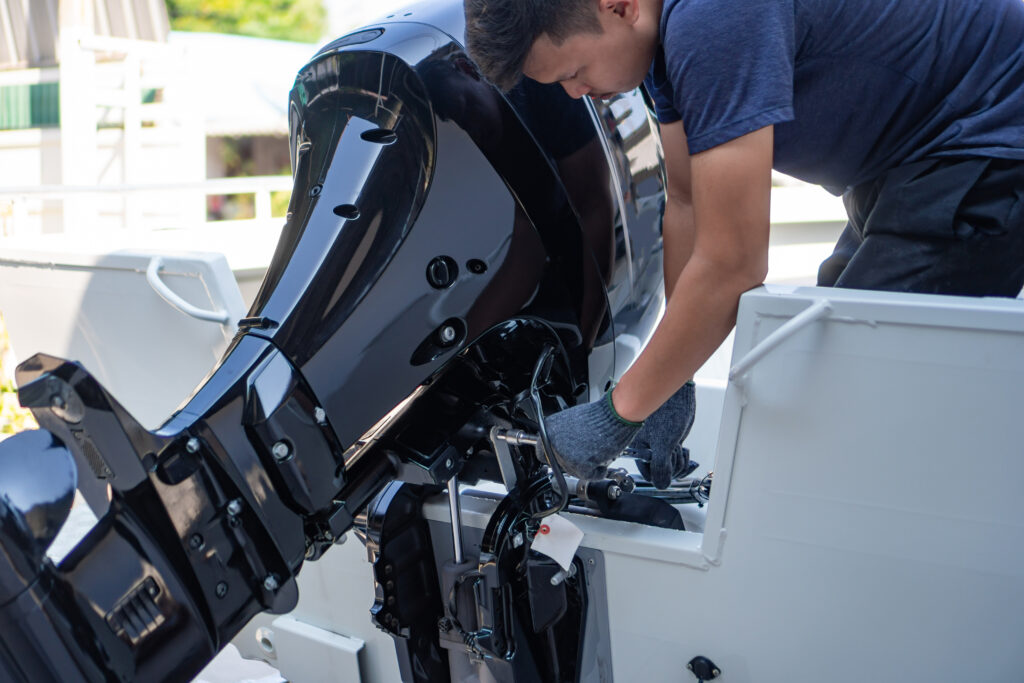
Just like the exterior of your boat, your engine benefits from routine cleaning. Older marine engines equipped with carburetors can develop sticky residue and grime over time, which leads to reduced performance. Using a quality cleaning product such as AMSOIL Power Foam helps dissolve varnish, gum, and carbon deposits for smoother operation.
Engine buildup can also result from using low-quality or degraded oil. Poor lubrication allows contaminants to accumulate and can eventually lead to sludge, friction, and overheating. The best way to prevent this is by using premium synthetic oil and maintaining proper oil-change intervals
Keep Your Marine Engine Internally Clean with Synthetic Oil
High-quality synthetic marine oil provides superior protection against sludge and deposit formation. Unlike conventional oils, synthetics are formulated with consistent molecular structures that resist breakdown under stress and temperature extremes. This means they last longer, maintain optimal viscosity, and help your engine stay cleaner internally.
AMSOIL Synthetic Marine Engine Oils are engineered to deliver high-performance lubrication, resist corrosion, and minimize wear in both freshwater and saltwater environments. They’re an excellent way to improve your boat’s durability and ensure reliable performance all season long.
Inspect and Change the Motor Oil Regularly
Checking and changing your motor oil is the single most important step in marine engine maintenance. Oil levels and condition should be inspected before every trip, and the oil should be replaced once it becomes dark, contaminated, or begins to lose viscosity.
As a general rule, most boats require an oil change about every 100 hours of operation, or roughly once a year for casual use. However, if you use your boat frequently or under heavy loads, consider changing it more often. Always follow your manufacturer’s recommendations for oil type and maintenance intervals.
Don’t Forget to Check the Propeller
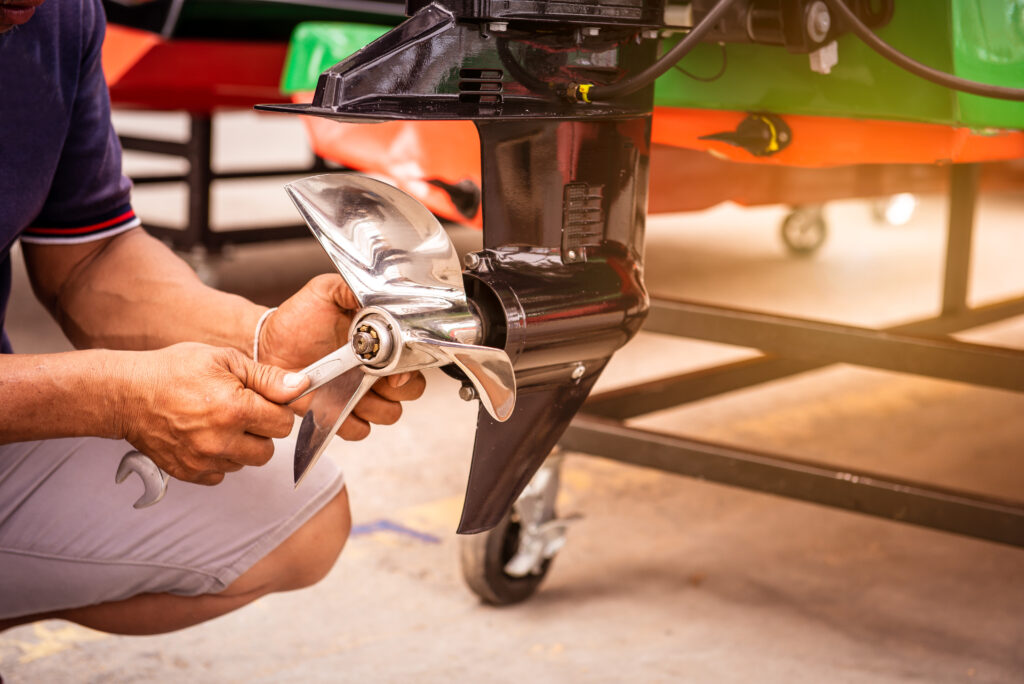
If your boat uses an outboard or stern drive engine, inspect the propeller regularly, especially during the high-use season. Before heading out, check that it spins freely and is free from damage. Every few trips, remove the propeller to look for dents, tears, or fishing line wrapped around the shaft. Even small imperfections can reduce fuel efficiency and impact engine performance over time. In the same way that an airplane’s structure needs to be aerodynamically sound, a single imperfection can exacerbate the effects of drag and make the plane work harder. The same is true in the sense that both air and water are fluids and adhere to the same mechanics.
Performance and Safety For Your Marine Engine
Routine cleaning, quality lubrication, and regular inspections are the cornerstones of marine engine care. By using dependable products like AMSOIL synthetic marine lubricants, you’ll reduce friction, prevent corrosion, and keep your engine performing at its best, so you can spend less time worrying about maintenance and more time enjoying the water. Contact us if you’re interested in learning more about our products, and check out how to become a Preferred Customer.