


January 6, 2026
How to Stay Safe During Long-Distance Drives
Long-distance driving presents unique risks that short, local trips often don’t. Fatigue, changing weather conditions, unfamiliar roads, and mechanical stress on your vehicle can all increase the likelihood of problems if you’re not properly prepared.
Whether you’re heading out for a road trip or traveling several hours for work, preparation and awareness are key to reaching your destination safely and comfortably.
We at Factory Direct Oil know that long distance drives are sometimes necessary. Whether you’re visiting friends, family, or anything else, we want to ensure that you’re as safe as possible.
Below are essential strategies to help you navigate long drives with confidence.
Prepare Yourself Before You Leave

Safe long-distance driving starts before you even turn the key.
Prioritize Rest and Nutrition
Fatigue is one of the most common causes of highway accidents. Make sure you’re well-rested before departing. A full night’s sleep significantly improves reaction time, focus, and decision-making.
Eat balanced meals before your trip and bring water and light snacks to maintain energy levels throughout the drive.
Plan Your Route in Advance
Know where you’re going. Review your route ahead of time and check for construction zones, traffic patterns, and alternate roads. Even if you use GPS, having a general understanding of your path reduces stress if technology fails.
Check the Weather Forecast
Weather conditions can change quickly over long distances. Reviewing forecasts helps you prepare for rain, wind, heat, or cold conditions that may affect visibility and traction.
Dress for Comfort
Comfort matters during extended drives. Wear breathable, flexible clothing and comfortable footwear to reduce stiffness and distraction.
Leave Early
Departing earlier than necessary reduces time pressure and allows flexibility for unexpected delays. Driving in daylight whenever possible also improves visibility and safety.
Ensure Your Vehicle Is Road-Ready

Personal preparation is only half the equation. Your vehicle must also be prepared for sustained operation.
Before a long trip, inspect:
- Tire pressure and tread depth
- Oil level and oil condition
- Coolant level
- Brake responsiveness
- Wiper blades and washer fluid
- Battery condition
Long drives place continuous stress on the engine and cooling system. Ensuring proper lubrication is critical for managing heat and minimizing wear over extended highway speeds.
Using high-quality synthetic motor oil helps maintain viscosity, resist breakdown, and protect engine components under prolonged load.
Explore AMSOIL’s line of synthetic lubricants designed for reliable performance during demanding driving conditions.
Stay Focused and Avoid Distractions

Highway driving can become monotonous, especially after several hours. Mental fatigue often leads to drifting attention.
To stay alert:
- Keep both hands on the wheel
- Limit phone use and distractions
- Avoid adjusting navigation or music while moving
- Stay aware of traffic patterns and road signs
If you notice your focus slipping, take a break. Alertness is critical for reacting to sudden changes in traffic or road conditions.
Take Scheduled Breaks
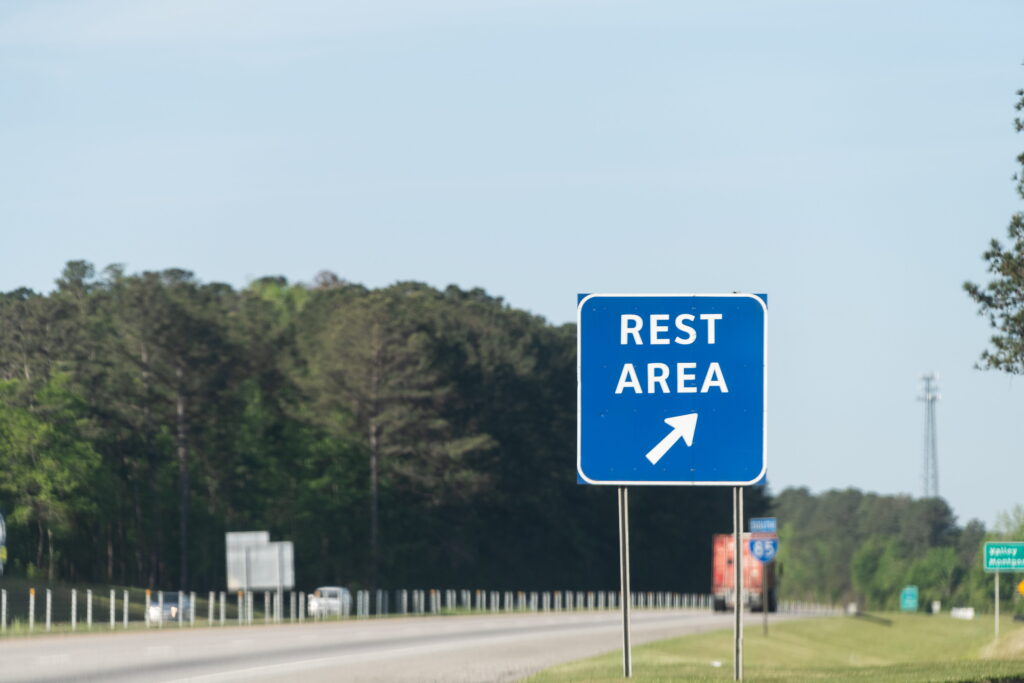
Even if you feel fine, it’s recommended to stop every two to three hours during long drives. Short breaks allow you to:
- Stretch your muscles
- Improve circulation
- Reduce stiffness
- Reset mental focus
If you begin to feel drowsy, pull over in a safe location immediately. Fatigue impairs judgment and reaction time in ways similar to alcohol impairment. The moment you feel that yawn coming on, find the nearest rest area.
Caffeine may provide temporary alertness, but it is not a substitute for proper rest. You may want to test fate by pounding down coffee or energy drinks, but that’s not a risk you should take. If you need to rest for a bit, do so.
Adjust to Changing Road Conditions
Long drives often involve transitions, from highways to rural roads, from daylight to nighttime, from dry pavement to rain.
Stay adaptable:
- Increase following distance in poor weather
- Reduce speed when visibility decreases
- Watch for wildlife in rural areas
- Remain cautious in unfamiliar traffic patterns
Defensive driving becomes even more important over long distances.
Monitor Your Vehicle During the Trip
Pay attention to how your vehicle feels and sounds throughout the drive.
Be alert for:
- Warning lights
- Unusual vibrations
- Changes in steering or braking
- Overheating indicators
Catching issues early can prevent being stranded far from home.
Long Drives Demand Consistency

Long-distance driving isn’t inherently dangerous — but it requires preparation, awareness, and responsible maintenance.
By:
- Preparing yourself physically and mentally
- Ensuring your vehicle is mechanically sound
- Staying alert and taking breaks
- Using high-quality synthetic lubrication
you significantly reduce risk and increase the likelihood of a smooth, safe arrival.
Explore AMSOIL’s synthetic motor oils and lubricants engineered for durability, performance, and protection on long journeys. If you’re looking for a second opinion on long range driving, the r/driving subreddit has a pretty large community of people who are willing to give advice as well. Safe travels!