


February 4, 2026
How to Avoid Road Rage and Stay Safe Behind the Wheel
Road rage isn’t just frustration, it’s a reaction that can lead to dangerous decisions. Acting out of anger while driving increases the risk of accidents, escalates conflicts, and compromises safety for everyone on the road.
External factors like traffic congestion, tight schedules, and even high temperatures can intensify irritability. That’s why learning how to manage stress while driving is essential for both your safety and your well-being.
At Factory Direct Oil, we understand what it feels like to be frustrated, but we also understand that there are certain things we cannot control. Below are practical strategies to help you avoid road rage and maintain a calm, controlled mindset behind the wheel.
Plan Ahead to Reduce Driving Stress

Many road rage incidents stem from preventable stress — especially time pressure.
When you leave late, encounter unexpected traffic, or feel uncertain about your route, tension rises quickly. Planning your trips in advance helps eliminate much of that unnecessary pressure.
Before heading out:
- Allow extra time to reach your destination
- Check traffic conditions in advance
- Choose less congested routes when possible
- Avoid peak traffic hours if your schedule allows
Even taking a slightly longer but less crowded route can dramatically improve your driving experience.
When you remove urgency from the equation, you remove one of the biggest triggers of road rage.
Create a Calm Environment Inside Your Vehicle
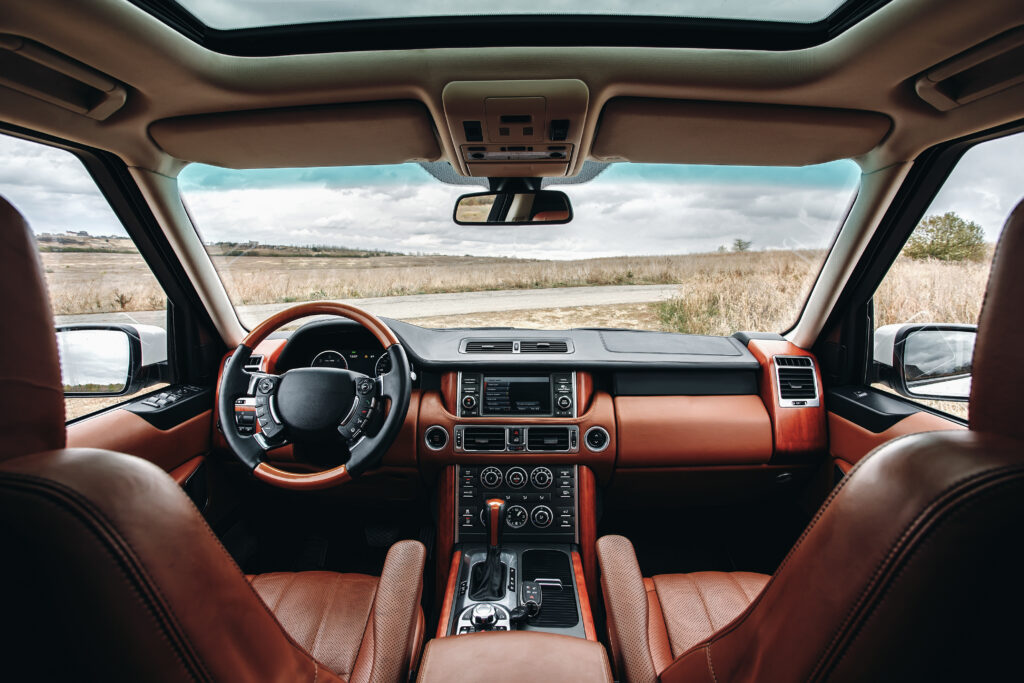
While you can’t control traffic or other drivers, you can control the environment inside your vehicle.
A comfortable interior reduces stress and improves focus.
To create a calmer driving atmosphere:
- Keep the cabin cool during hot weather
- Play music or podcasts that relax rather than agitate you
- Keep the interior clean and clutter-free
- Practice steady breathing when traffic becomes frustrating
Even small adjustments, like lowering the temperature or switching to calming audio can dramatically shift your mood and prevent irritation from escalating. A good drill to practice;
- Inhale
- Count to 4
- Exhale
- Count to 4.
Recognize Emotional Triggers Early

Road rage rarely appears out of nowhere. It builds gradually.
Common triggers include:
- Feeling disrespected by another driver
- Being cut off in traffic
- Repeated honking
- Stop-and-go congestion
- Running late
The key is recognizing the emotional shift early. If you notice tension building; tight shoulders, clenched jaw, rising frustration, consciously slow your breathing and refocus your attention. Something to think about, a staggering 96% of drivers admit to engaging in aggressive driving behaviors over the past year, according to a new study from the AAA Foundation for Traffic Safety.
Anger narrows your judgment. Awareness restores it. Let’s keep it real for a second. The angrier you get, the more you won’t be able to focus on the things that matter, like getting to your destination safely. So take a breath and let some things roll off your back.
Let Minor Incidents Go
Not every driving mistake deserves a reaction.
If another driver cuts you off but no damage occurs, escalating the situation only increases risk. The safest response is often no response at all.
Similarly:
- If someone drives slowly, change lanes safely.
- If someone honks unnecessarily, ignore it.
- If another driver appears aggressive, create distance.
Engaging rarely improves the situation. Disengaging protects you.
Your priority is arriving safely, not proving a point. Let’s also give some people the benefit of the doubt. Folks may not have the same defensive driving instincts as you, or they may be a new driver that may not know any better. These other drivers are people, just like you. Empathy is a great thing to have behind the wheel.
Separate Ego from Safety
Many road rage situations are rooted in ego, the feeling that we’ve been wronged or challenged.
But driving isn’t a competition. It’s a shared responsibility.
Choosing not to react isn’t weakness it’s control. Maintaining composure under stress demonstrates discipline and maturity behind the wheel.
Maintain Your Vehicle to Reduce Driving Frustration
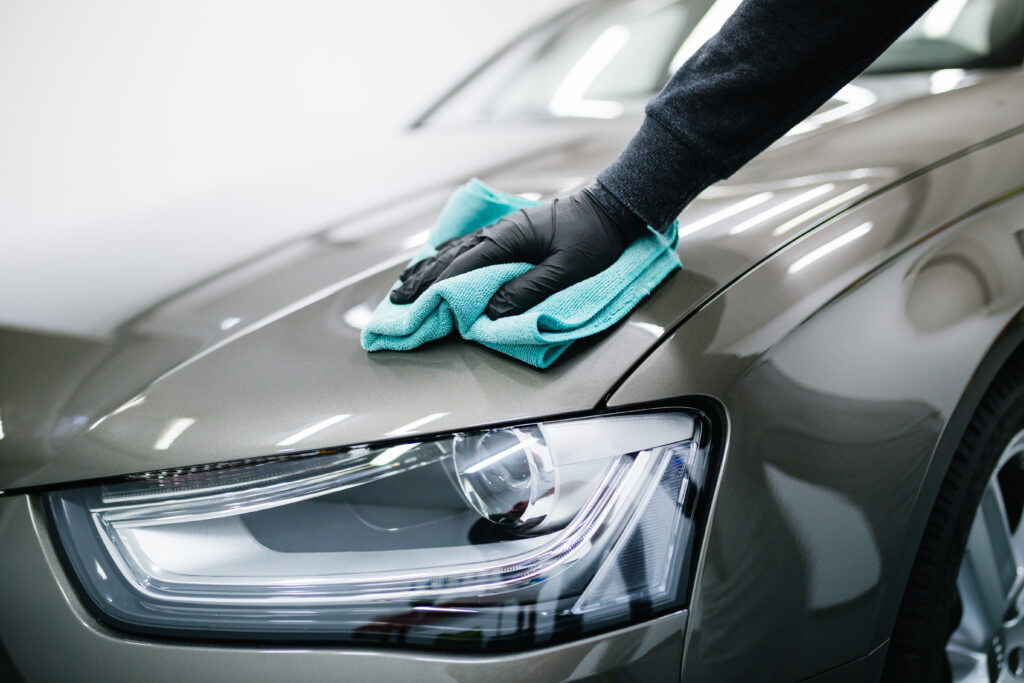
While emotional triggers are common, mechanical problems can also contribute to stress. Overheating engines, rough idling, or warning lights can elevate tension during a drive.
A well-maintained vehicle supports smoother, more predictable operation, which reduces unnecessary frustration.
Regular maintenance, including synthetic oil changes and system inspections, helps ensure:
- Reliable engine performance
- Stable temperature control
- Consistent drivability
Explore AMSOIL’s line of synthetic lubricants designed to support engine performance and reliability, helping you drive with confidence.
Protect Your Safety and Mental Clarity
Avoiding road rage is about more than courtesy — it’s about safety.
Aggressive driving behaviors increase accident risk, impair judgment, and raise stress levels. Calm driving, on the other hand, improves reaction time, decision-making, and overall road awareness.
By planning ahead, managing your environment, recognizing emotional triggers, and maintaining your vehicle properly, you significantly reduce the risk of dangerous behavior.
Stay focused. Stay calm. Arrive safely.
If you’re looking for the best products in the business, look no further than Factory Direct Oil. We’ll make sure your vehicle is always ready to rock, no matter what might come your way.