


December 31, 2025
Contents
- Fall Motorcycle Riding Tips: How to Stay Safe as Conditions Change
- Inspect and Maintain Your Tires
- Monitor Battery Health
- Keep the Chain Properly Lubricated
- Schedule a Seasonal Inspection
- Dress for Protection and Temperature
- Increase Situational Awareness
- Adjust Riding Style for Cooler Temperatures
- Consider Winterizing if Riding Will Be Limited
- Protect Your Engine Through Seasonal Changes
- Ride Smart, Ride Prepared
Fall Motorcycle Riding Tips: How to Stay Safe as Conditions Change
Fall can be one of the most enjoyable seasons for motorcycle riding. Cooler air, scenic roads, and lighter summer traffic make it appealing for many riders. However, autumn also introduces new hazards that require extra awareness and preparation.
Shorter days, lower temperatures, wet pavement, and fallen leaves can significantly affect traction, visibility, and overall riding safety. Adjusting your riding habits and maintenance routine for the season is essential if you plan to stay on two wheels through the fall months.
Below are practical tips to help you ride responsibly and confidently as conditions change. At Factory Direct Oil, we want to make sure you ensure the best ride possible for you and your motorcycle, not just in the fall, but all seasons.
Inspect and Maintain Your Tires
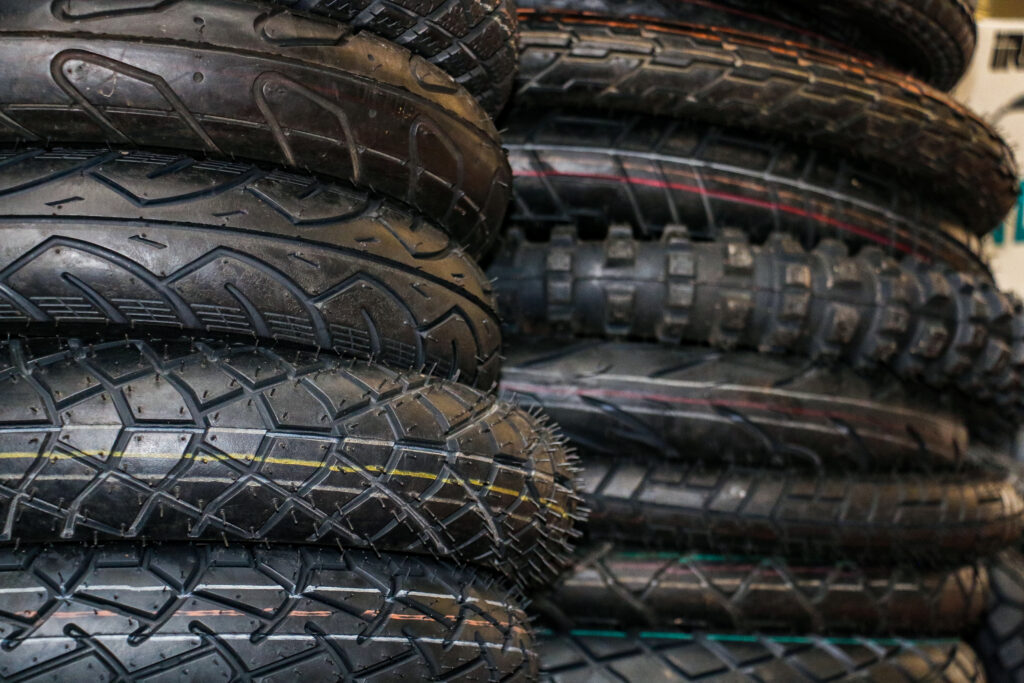
Tires are your primary connection to the road, and fall conditions make that connection more critical than ever.
Wet leaves, scattered debris, and early frost can reduce traction dramatically. Worn or underinflated tires increase the risk of skidding or sliding in these conditions.
Before and during the season:
- Check tire pressure regularly (colder temperatures equals lower PSI)
- Inspect tread depth for adequate grip
- Replace worn tires before conditions worsen
- Watch for uneven wear patterns
Maintaining proper traction and air are some of the most important safety steps you can take. If you don’t know the proper air capacity of your tire, check the tire for an embossed inscription on the side. It should tell you what the suitable air pressure is in units of pressure known as kPa (kilo-pascal) as well as PSI (pounds per square inch).
Monitor Battery Health
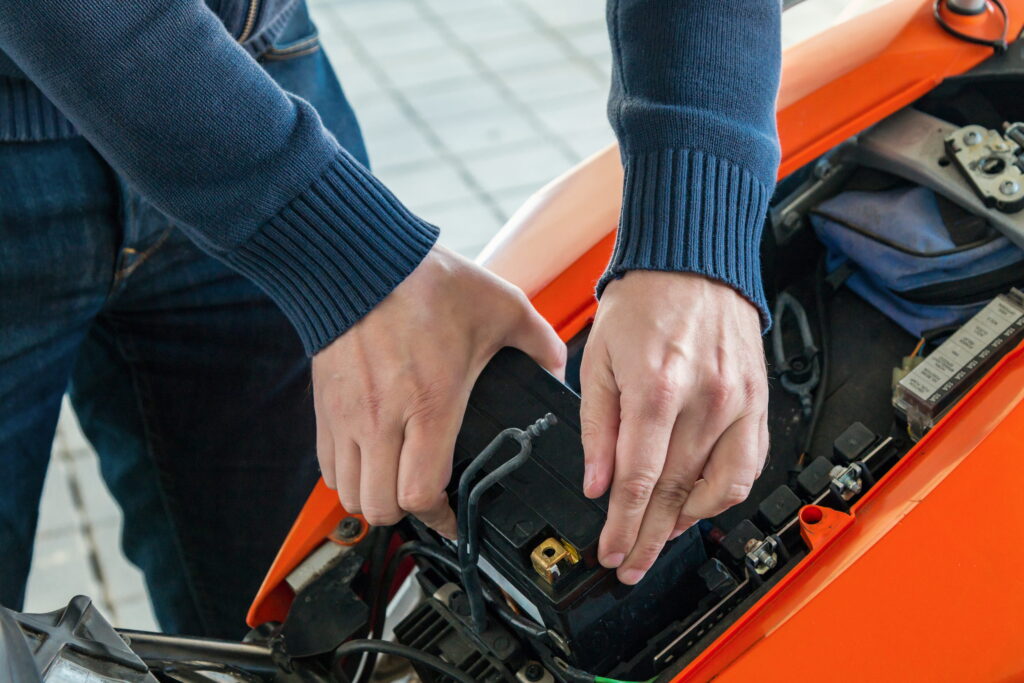
Fall brings shorter days and longer periods of riding in low-light conditions. Your battery powers essential components such as headlights, brake lights, and turn signals — all critical for visibility.
Cold temperatures can weaken battery performance, especially if the battery is already aging.
To prevent unexpected issues:
- Check battery charge levels
- Inspect terminals for corrosion
- Consider testing older batteries before the season progresses
Reliable electrical performance becomes increasingly important as daylight hours decrease.
Keep the Chain Properly Lubricated

For motorcycles equipped with chain-driven systems, proper lubrication is essential.
Colder air and increased moisture can cause lubrication to degrade more quickly. A dry or poorly maintained chain increases friction, accelerates wear, and may compromise power delivery.
Throughout the fall:
- Clean and lubricate the chain regularly
- Check chain tension and alignment
- Inspect for signs of wear or stretching
Proper lubrication reduces friction and ensures smoother, more efficient power transfer.
Schedule a Seasonal Inspection
The transition between seasons is an ideal time for a routine motorcycle inspection.
A professional check can identify:
- Brake wear
- Fluid levels
- Suspension condition
- Cooling system performance
- Drive system integrity
Addressing small issues early prevents larger problems later, especially as riding conditions become less forgiving.
Dress for Protection and Temperature
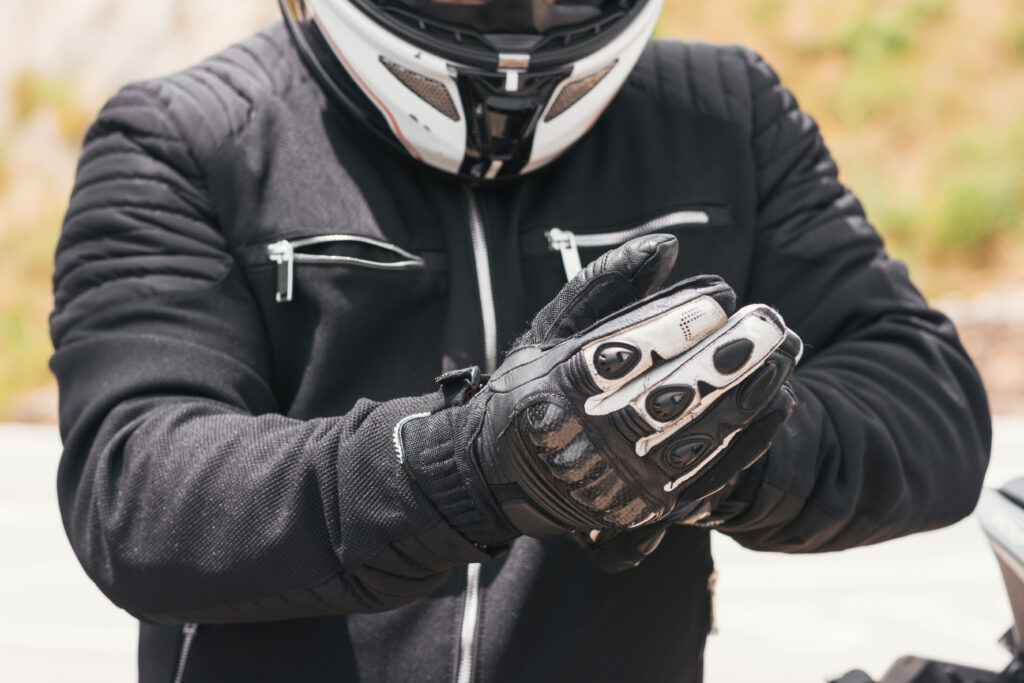
Fall weather can shift quickly from mild to cold. Dressing appropriately ensures both safety and comfort.
Wear:
- A certified helmet
- Protective gloves
- Durable boots
- Layered, insulated clothing
- Abrasion-resistant outerwear
Cold muscles react more slowly, so staying warm improves both focus and physical responsiveness. Make sure clothing does not restrict movement or interfere with control.
Increase Situational Awareness
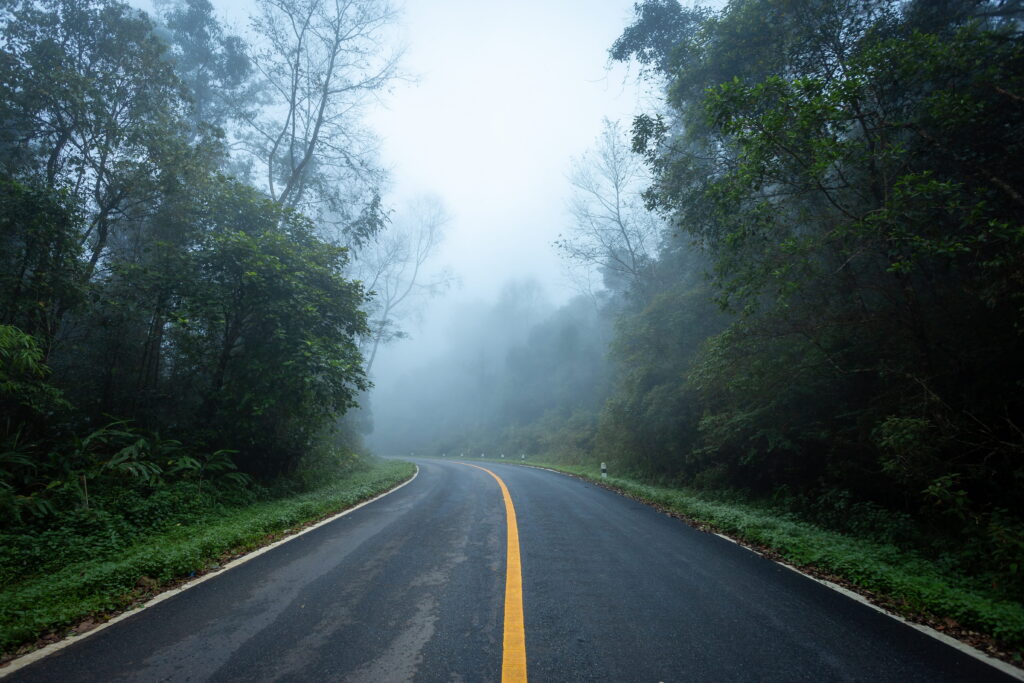
Fall roads demand heightened attention.
Be alert for:
- Wet or decomposing leaves (extremely slippery)
- Early morning frost
- Reduced daylight visibility
- Wildlife activity at dawn and dusk
- Increased holiday traffic
Maintain longer following distances and reduce speed when road conditions are uncertain.
Defensive riding becomes even more important as environmental risks increase.
Adjust Riding Style for Cooler Temperatures
Cool pavement reduces tire grip compared to warm summer asphalt. Allow additional time for tires to warm up at the beginning of rides.
Avoid sudden acceleration, aggressive braking, or sharp lean angles until traction feels stable. Smooth inputs are especially important during fall riding.
Consider Winterizing if Riding Will Be Limited
If you anticipate significantly reduced riding as temperatures drop further, preparing your motorcycle for storage may be the safer option.
Winterizing may include:
- Stabilizing fuel
- Changing oil before storage
- Cleaning and drying the bike thoroughly
- Using a battery maintainer
- Storing in a dry, protected location
Proper storage ensures your motorcycle remains in excellent condition for spring.
Protect Your Engine Through Seasonal Changes
Temperature shifts and longer idle periods can impact engine performance. Using high-quality synthetic motorcycle oil helps maintain viscosity stability and consistent lubrication across varying temperatures.
Explore AMSOIL’s line of synthetic motorcycle oils designed to provide superior protection, friction control, and long-term durability across changing seasons.
Ride Smart, Ride Prepared
Fall offers beautiful riding opportunities — but it also requires increased preparation and awareness. By maintaining your motorcycle properly, adjusting your riding habits, and staying alert to environmental changes, you can enjoy the season safely.
Preparation, consistency, and attention to detail are what separate risky rides from responsible ones. If you’re looking for more motorcycle safety tips, check out another blog from us here.