


March 11, 2025
Few things are more frustrating—or potentially damaging—than an overheated engine. Whether you’re commuting, traveling, or running errands, excessive engine heat can leave you stranded and lead to costly repairs. Fortunately, overheating is often preventable with proper maintenance and smart driving habits.
At Factory Direct Oil, we know how annoying it is to deal with an overheated engine, and we’re here to help. Below is a basic guide to help reduce the risk of engine overheating and keep your vehicle running reliably, even during warmer months.
Contents
Keep Your Vehicle in Proper Working Condition
An engine is far more likely to overheat when regular maintenance is neglected. Old fluids, worn components, or unresolved mechanical issues force the engine to work harder than necessary—generating excess heat.
Routine inspections and addressing small issues early help:
- Maintain efficient engine operation
- Reduce unnecessary heat buildup
- Extend the life of cooling system components
A well-maintained vehicle is far less prone to overheating.
Avoid Putting Excessive Stress on the Engine
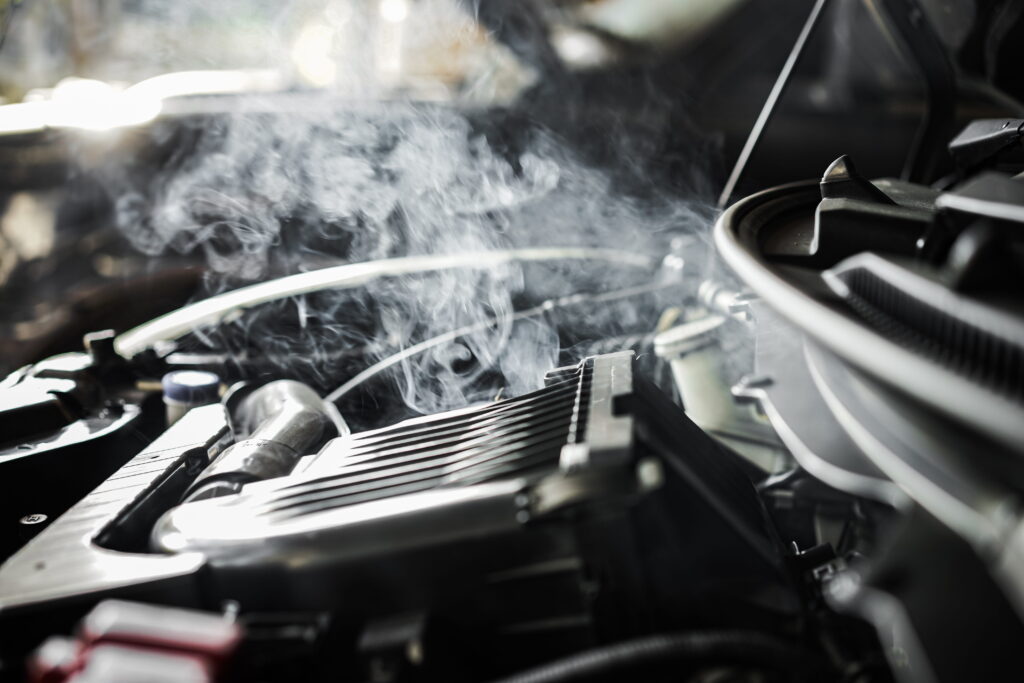
The harder an engine works, the more heat it produces. Aggressive driving, excessive loads, and poor driving habits can quickly raise engine temperatures.
To reduce stress:
- Accelerate smoothly and avoid aggressive driving
- Avoid carrying unnecessary weight
- Allow the engine to warm up and cool down properly
Treating your engine with care helps regulate operating temperatures.
Monitor and Maintain Coolant Levels
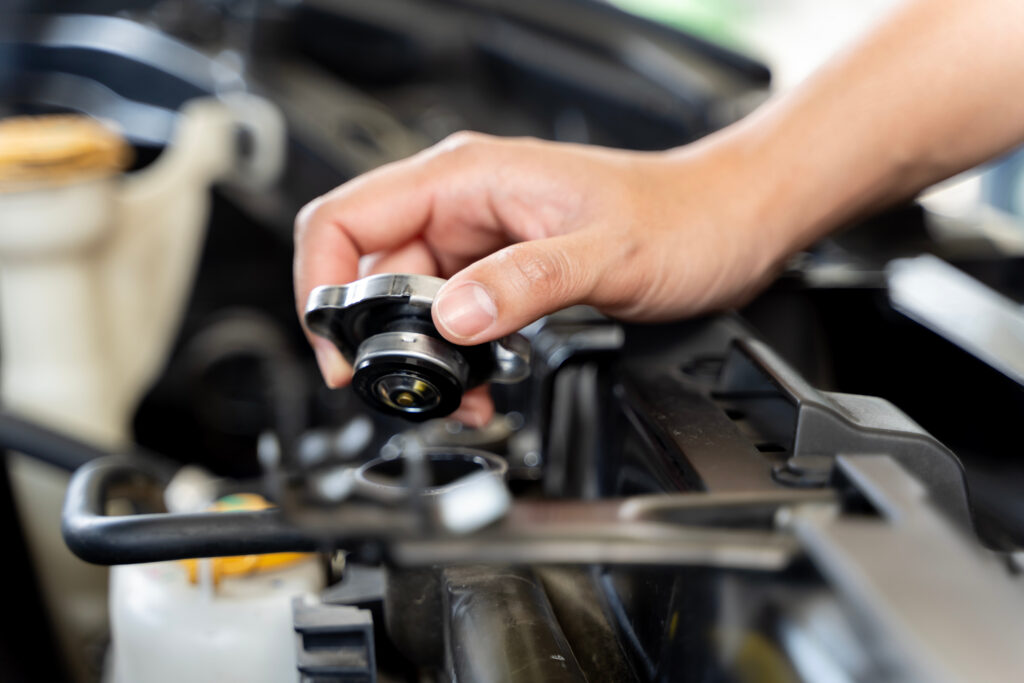
Coolant plays a critical role in managing engine heat. As engine components move and generate friction, coolant absorbs and dissipates heat through the cooling system.
Make sure:
- Coolant levels remain within manufacturer recommendations
- Coolant is clean and free of contamination
- Hoses, seals, and the radiator are free of leaks or blockages
A neglected cooling system is one of the most common causes of engine overheating. Water can be used in times of emergencies, but remember that water boils at a lower boiling point than cooling agents and other lubricants. Pressure could build in the system and cause a catastrophic failure of the radiator.
Watch the Temperature Gauge Closely

Your vehicle’s temperature gauge is an early warning system. Paying attention to it allows you to act before heat reaches dangerous levels.
If the gauge begins climbing:
- Reduce engine load
- Pull over safely if necessary
- Address the issue before continuing to drive
Catching overheating early can prevent serious engine damage.
Reduce External Heat Exposure When Possible
While engine heat is the primary concern, outside temperatures can make overheating more likely. During hot weather:
- Park in shaded areas when available
- Use windshield sun shades
- Avoid extended idling in extreme heat
Minimizing heat exposure helps keep engine temperatures stable.
Take Preventative Precautions
If your engine has overheated in the past, proactive preparation is essential.
Helpful precautions include:
- Keeping extra coolant or water in the vehicle
- Turning on the heater temporarily if temperatures rise to help draw heat away from the engine
- Stopping safely if overheating persists
These measures can help you manage heat until proper repairs or maintenance are performed.
Prevent Overheating with Proper Lubrication
Lubrication plays a major role in temperature control. Motor oil reduces friction between engine components, limiting excess heat generation. High-quality synthetic motor oil maintains viscosity under extreme temperatures and provides consistent protection.
Explore AMSOIL’s line of synthetic lubricants designed for superior heat resistance, engine protection, and long-term performance.